Key Design Features That Enhance the Reliability of High Altitude Safety Ropes
The core and sheath form the primary structure of
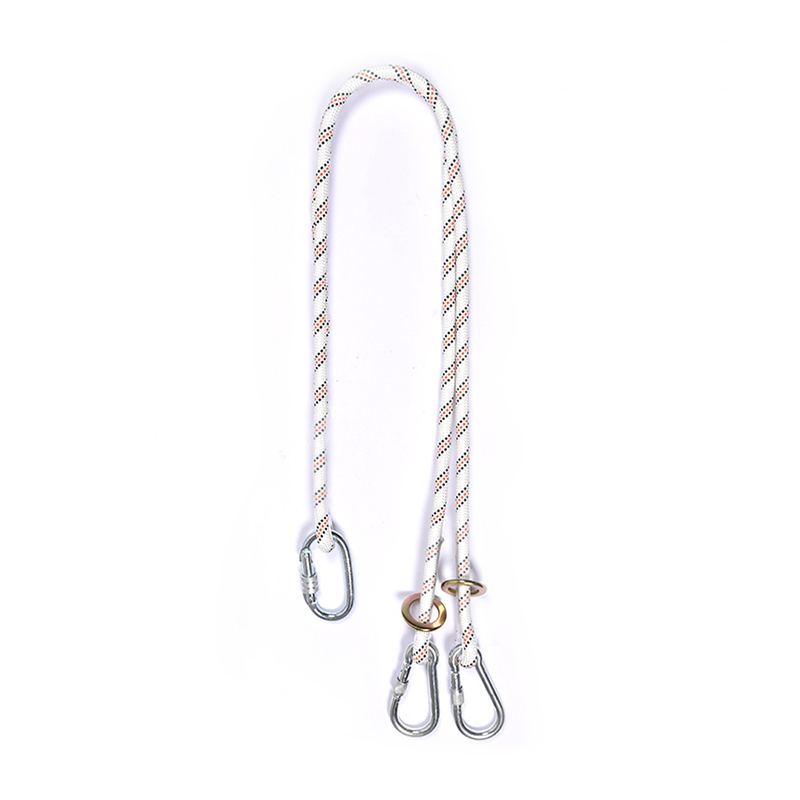
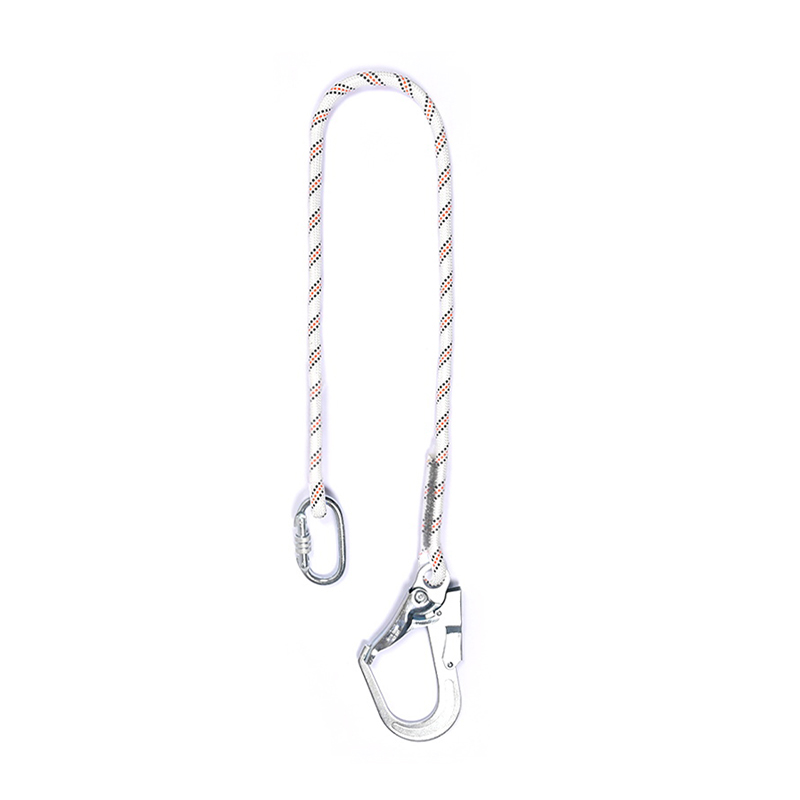
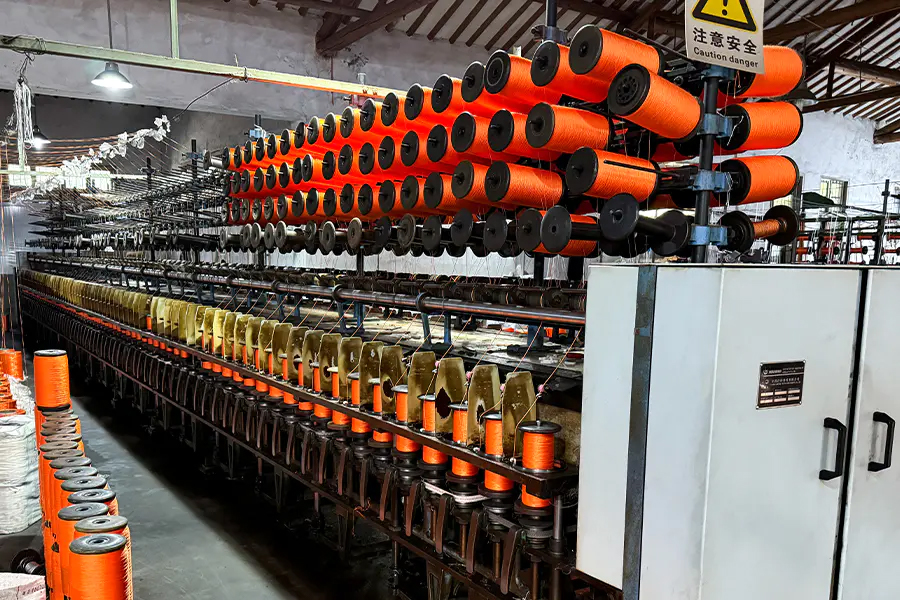
high altitude safety ropes. The core carries most of the tensile load and is generally made from high-performance synthetic fibers such as nylon, polyester, or aramid. These fibers provide high tensile strength while maintaining flexibility and elasticity to absorb dynamic shock loads during falls. The elasticity of the core helps reduce peak impact forces, protecting the user and anchorage points. The sheath is woven around the core to serve as a protective jacket. This outer layer shields the core from abrasion caused by friction against rough surfaces, exposure to UV light, and contamination by chemicals or moisture. The weave pattern and fiber composition of the sheath influence the rope’s durability and handling. A tightly woven sheath enhances abrasion resistance but may reduce flexibility, so rope manufacturers balance sheath density and pliability to meet operational needs. Some ropes utilize a kernmantle construction, where the core (kern) carries the load, and the sheath (mantle) provides protection. This structure allows the sheath to bear abrasion forces while leaving the core to manage tensile strength. A robust core-sheath interaction enhances rope longevity and ensures consistent performance, especially in environments where ropes face repeated abrasion and environmental exposure. Established in 2001 as a successor to Taizhou Huatai Labor Protection Supplies Co., Ltd., Jiangsu Senmao Safety Technology Co., Ltd. produces ropes with core and sheath constructions engineered for optimal strength and protection. With over 50 production lines and multiple testing facilities, Senmao maintains consistent quality and material integrity in every rope it manufactures.
Material selection influences a rope’s mechanical properties and its ability to withstand environmental challenges. Nylon fibers, known for their excellent elasticity and tensile strength, are common in dynamic ropes where shock absorption is needed. Nylon’s ability to stretch under load helps reduce forces during falls, protecting users from injury. Polyester fibers offer lower elasticity but superior resistance to UV radiation and moisture absorption, making them ideal for outdoor static ropes exposed to harsh weather. Aramid fibers, such as Kevlar, provide outstanding strength and thermal resistance, valuable in applications with high heat or abrasive surfaces, although they tend to be less flexible. Some manufacturers blend fibers or apply treatments to enhance performance, such as water-repellent coatings to prevent moisture absorption that can weaken fibers and increase weight. UV stabilizers prevent degradation from sunlight, while chemical-resistant coatings protect against acids, oils, and other industrial contaminants. These treatments extend rope life and maintain mechanical integrity in demanding conditions. The precise combination of fiber types and protective treatments depends on the rope’s intended use, balancing elasticity, strength, durability, and environmental resistance. Jiangsu Senmao Safety Technology’s product range reflects extensive experience with materials, ensuring ropes meet diverse operational requirements while maintaining performance and safety standards.
Ropes are designed as dynamic or static based on how much stretch they exhibit under load, a critical factor for their function and safety. Dynamic ropes stretch considerably when loaded, which allows them to absorb energy from falls by elongating, thereby reducing the force transferred to the user and anchor system. This behavior is essential for climbing, rescue, and fall arrest scenarios, where falls are expected and energy dissipation prevents injury. Dynamic ropes must maintain high tensile strength while allowing sufficient elongation without damage. Static ropes exhibit minimal stretch, providing stability and control during positioning, ascending, or load hauling. Their rigidity ensures precise movement and prevents bounce or elongation that could destabilize a user or load. Static ropes are often used in industrial rope access, rescue lowering, or equipment hauling. The fiber composition, core structure, and sheath construction differ significantly between dynamic and static ropes to achieve these contrasting properties. Dynamic ropes typically have more elastic fibers and looser core configurations to permit stretch, whereas static ropes have denser, stiffer cores with tighter sheaths to minimize elongation. Choosing the right rope type for the task is essential for safety and operational effectiveness. Jiangsu Senmao Safety Technology manufactures both rope types with tailored construction, ensuring the mechanical properties align precisely with application demands.
The sheath’s density and weave pattern affect abrasion resistance, flexibility, and grip—key factors for rope longevity and user safety. A tightly woven sheath provides superior protection against abrasion from rough surfaces like rock or metal. However, too dense a weave can reduce flexibility, making the rope harder to handle, tie knots with, or feed through devices. Conversely, looser weaves increase flexibility and ease of use but may sacrifice abrasion resistance. Manufacturers optimize sheath construction to balance these factors, selecting fiber types and weave styles that provide durability while preserving handling characteristics. Common sheath types include braided and kernmantle weaves. Braided sheaths offer improved grip and abrasion resistance, useful in demanding climbing or industrial environments. Kernmantle ropes separate the load-bearing core from the protective sheath, allowing the sheath to be replaced when worn, extending rope life. Some ropes incorporate color-coded fibers or wear indicators within the sheath, which change color or pattern when abrasion reaches critical levels. This feature provides users with an intuitive method for assessing rope condition and scheduling replacement. Jiangsu Senmao Safety Technology utilizes advanced weaving technology and integrates practical safety features, ensuring their ropes resist wear without compromising handling.
Rope diameter directly affects strength, abrasion resistance, weight, and user fatigue. Larger diameter ropes generally offer higher breaking strength and greater abrasion resistance, extending service life. However, increased diameter also raises rope weight and bulk, making handling more difficult and increasing physical strain during prolonged use or complex rigging. Smaller diameter ropes are lighter and easier to manage but may wear faster and have reduced maximum loads. Modern advances in fiber technology and rope engineering allow for thinner ropes that maintain high strength and abrasion resistance, improving portability and reducing user fatigue without compromising safety margins. Choosing the correct diameter involves evaluating the task’s load requirements, environmental conditions, and user handling preferences. Jiangsu Senmao Safety Technology produces ropes across a wide range of diameters, combining high-performance fibers with optimized construction techniques to deliver ropes that balance strength, durability, and handling for various high altitude applications.
Many high altitude safety ropes include safety features designed to facilitate inspection and prevent accidental use of damaged ropes. Wear indicators are integrated fibers or patterns within the sheath that visibly change color or texture when abrasion or degradation reaches unsafe levels. This allows users to perform quick, reliable visual checks before each use, reducing risk by identifying ropes that need replacement. Color coding is another practical safety design, allowing immediate identification of rope type, diameter, or designated use. For example, ropes may be color-coded to distinguish between dynamic and static ropes or assigned for different operational roles within a site. These systems reduce errors in rope selection and promote safer handling practices. Jiangsu Senmao Safety Technology incorporates these user-friendly features in their products, combined with rigorous quality control and testing to ensure safety throughout the rope’s lifecycle.